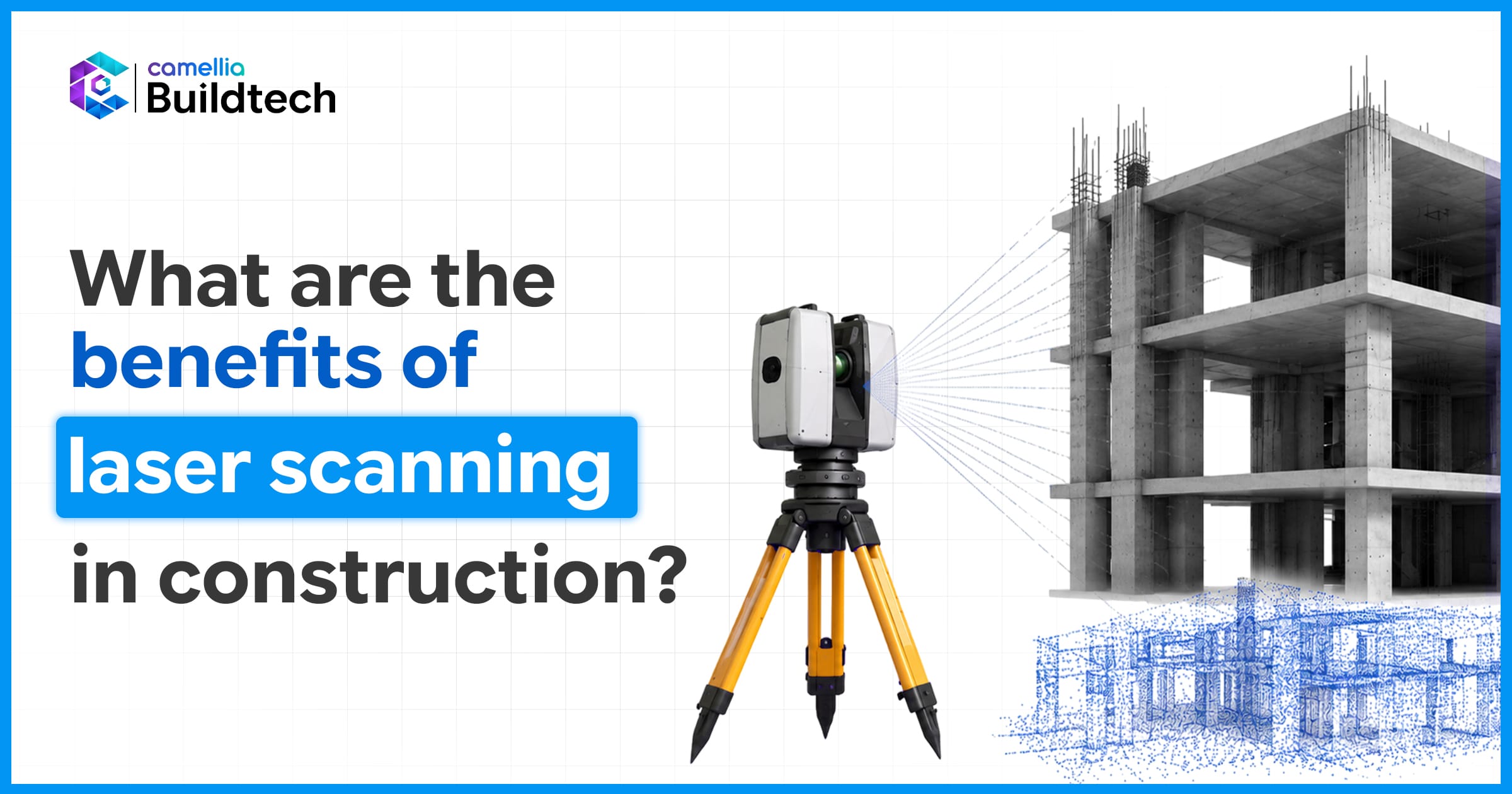

In the construction business, getting information about what is already there is the basis of every successful project. The old way of doing things, like measuring by hand and using drawings, can take a long time and is not always right. Laser scanning is changing how construction projects are planned and done.
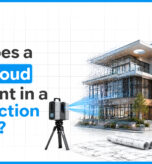
Laser scanning, which is also called LiDAR or reality capture, uses scanners to take in a lot of data very fast, making a detailed picture of the environment. This technology is making a difference in the construction business, and companies like Camellia Buildtech help their clients turn the data they get from scans into models that they can use to make better decisions.
Key Benefits of Laser Scanning
1. Unmatched Accuracy that Prevents Rework
The best thing about laser scanning is how precise it is. Laser scanning can get the measurements right, which is very important for things like putting up steel frames and laying out pipes and wires. Laser scanning is really good at this. By comparing the data from laser scanning to the design plan, teams can see if something is not right, like a hole in the wrong place or a beam that is not straight. This means they can fix the problem before it becomes an issue that costs a lot of money with laser scanning.
2. Improved Coordination and Clash Avoidance
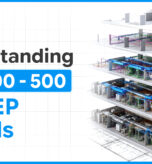
One of the most valuable applications of laser scanning is in coordination. By scanning existing overhead MEP systems and integrating that data into a 3D model, teams can coordinate new systems in real-time with the existing ones. This creates a model that shows everything clearly without any mistakes, which is especially important when renovating old buildings where every little bit counts. Studies have shown that using laser scanning and building information models together can really help reduce mistakes and improve communication between teams.
3. Reliable As-Built Documentation
Laser scanning doesn’t stop being useful when construction ends. The detailed data from the scans is like a record of the building that owners and managers can use for future projects. This is very useful for things like healthcare projects and government jobs. It helps with maintenance by showing what is behind the walls without having to tear things apart.
4. Enhanced Communication and Accountability
The scans are like pictures that everyone can understand, from the owner to the person in charge of the site. They show what is real. Laser scanning can be used to explain things to stakeholders or to prove that something was done correctly with laser scanning. This documentation from laser scanning also protects against claims by providing a record of work in place, supporting pay apps, and showing inspectors that quality is being managed proactively with laser scanning.
5. Quality Control and Progress Monitoring
During construction laser scanning is a tool for making sure everything is done with the help of laser scanning. Laser scanning can be used to check the thickness of walls, the spacing of pipes, and the level of floors. This means teams can confirm that everything is okay before it is covered up, which reduces the risk of hidden problems with laser scanning.
Camellia Buildtech: Your Partner in Precision
Laser scanning is a technology, but laser scanning is most valuable when the data from laser scanning is turned into a format that can be used. This is where Camellia Buildtech does a job. They are experts in turning data into models that can be used, and they have helped many big companies around the world.
With a team of over 50 experts and a record of completing over 100 projects for more than 20 big clients, they make sure that projects are done right. Camellia Buildtech’s expertise in laser scanning and building information models helps their clients make decisions on big projects by giving them the data they need. By using laser scanning and building information models together, they help their clients work better, reduce mistakes, and make the whole project process smoother from start to finish.